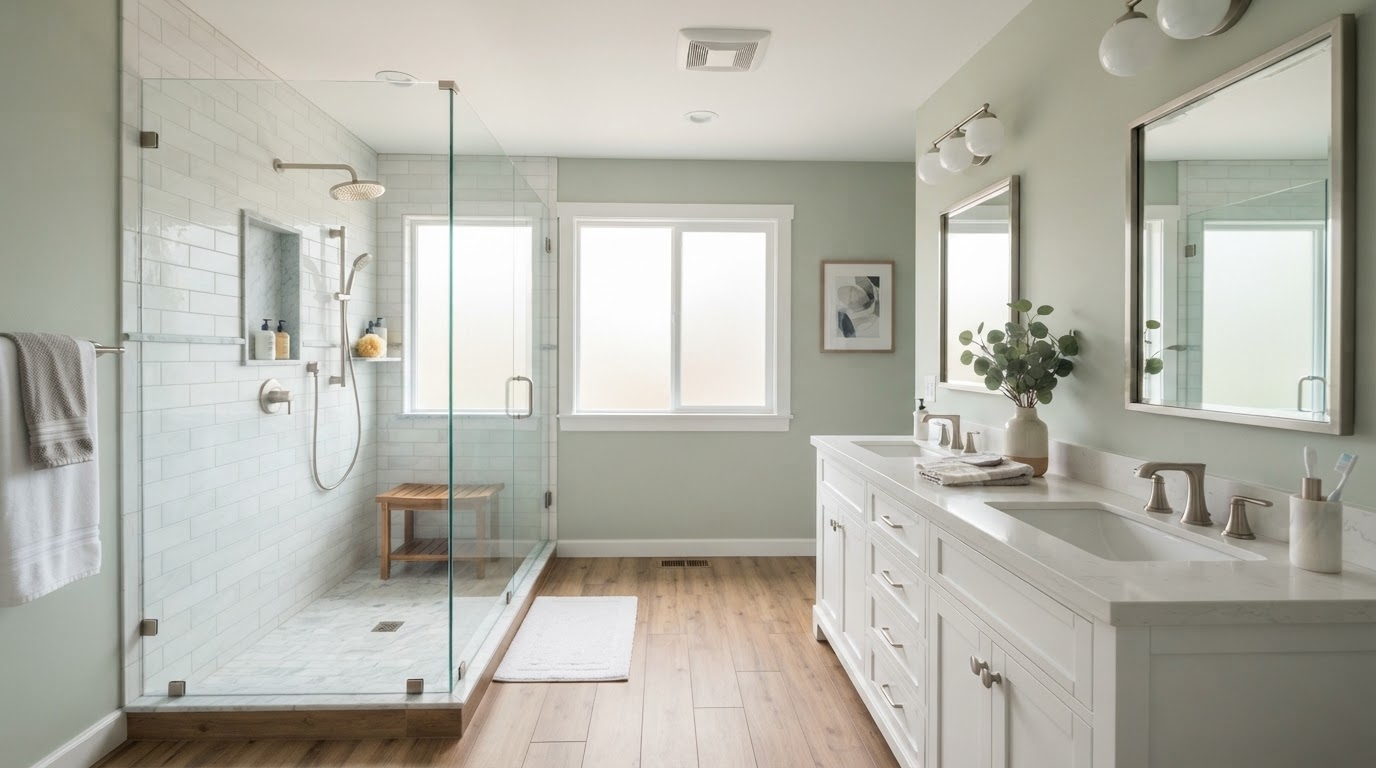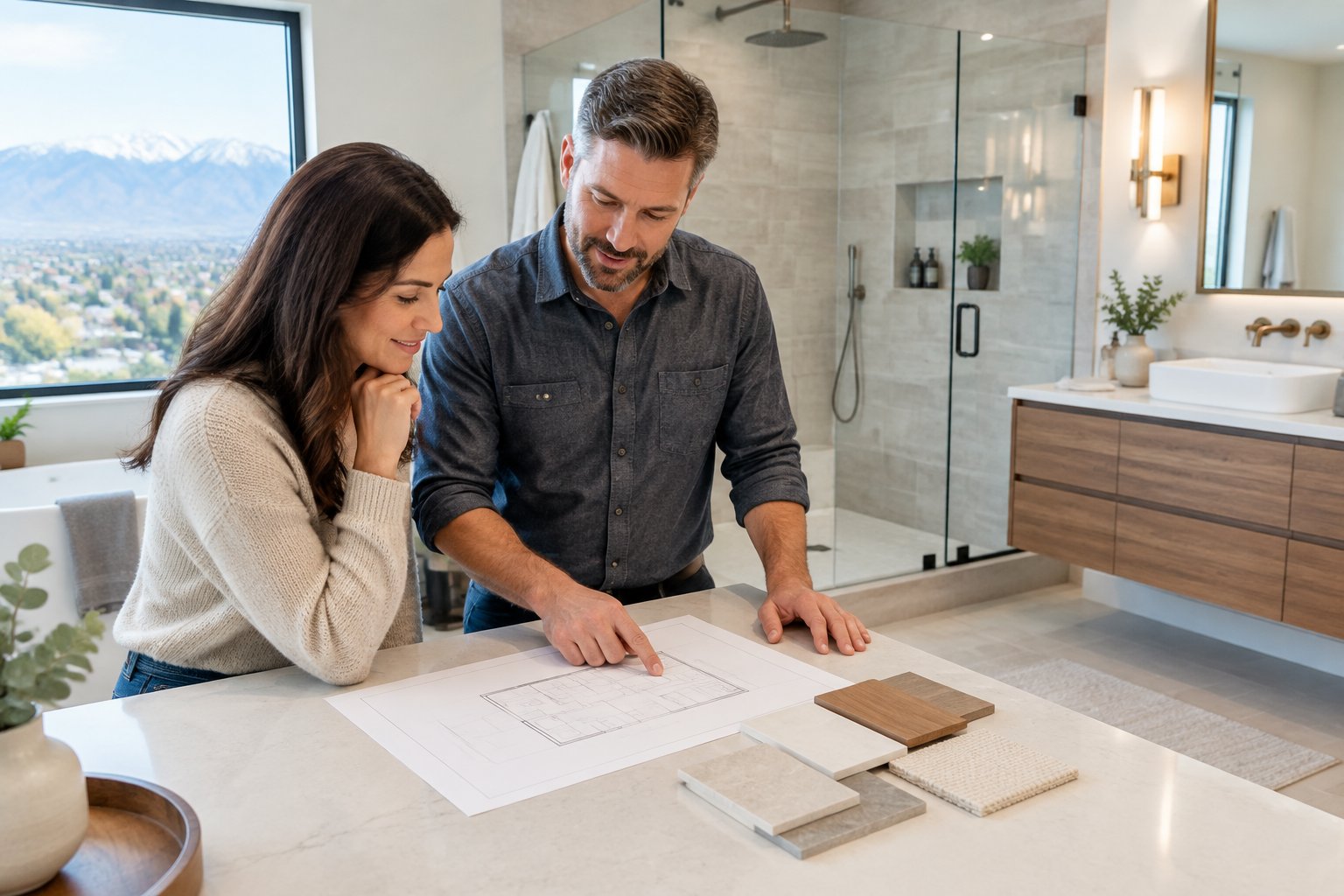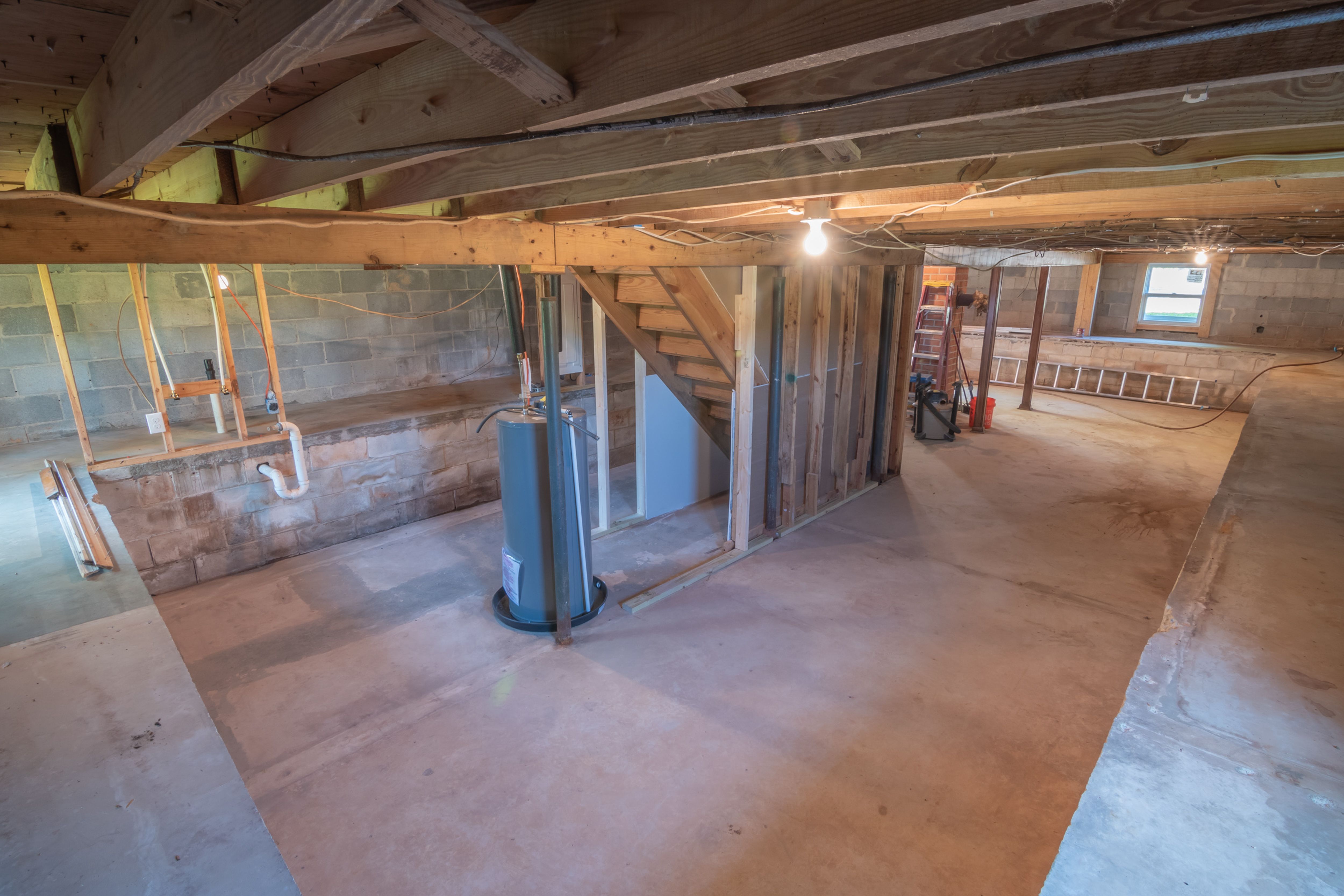
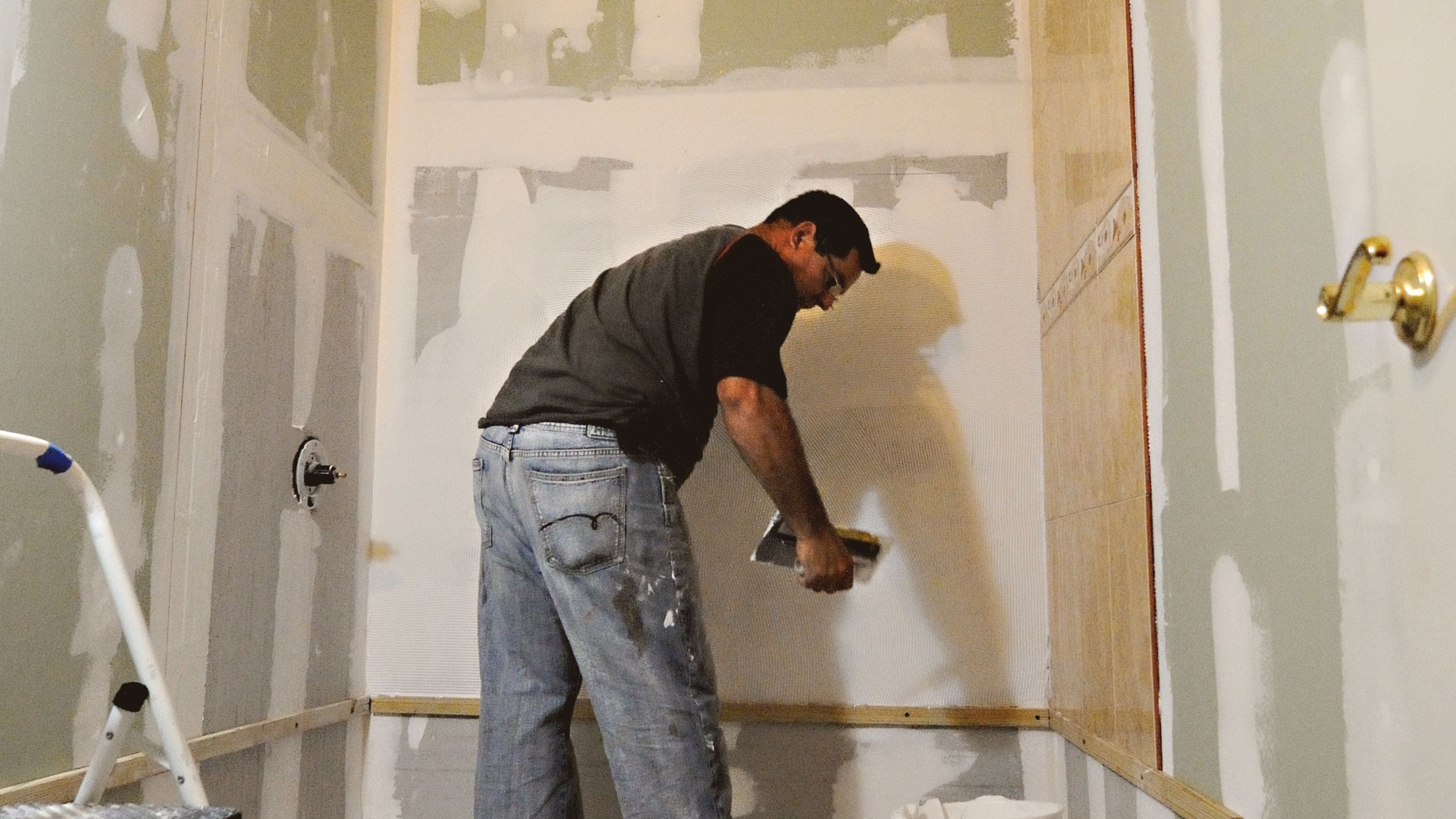
In 2026, a bathroom remodel typically costs between $10,500 and $35,000, with the national average landing near $18,500. Total costs range from $4,500 to $12,000 for a cosmetic surface refresh, $14,000 to $32,000 for a complete mid-range tear-out, and $35,000 to $70,000+ for an expanded primary or luxury master bathroom suite. Key cost drivers include room dimensions, plumbing relocations, finish tier, and regional labor rates.
A cosmetic update may involve paint, fixtures, and finishes, while a full bathroom renovation can include demolition, tilework, plumbing, electrical work, and layout changes. You need an estimate that reflects the actual work instead of relying on one broad national average.
The following guide explains why bathroom remodeling costs vary, how local labor and materials affect your budget, and how Advistra’s calculator provides low, expected, and high estimates based on your project details.
Why Bathroom Remodel Estimates Vary So Much
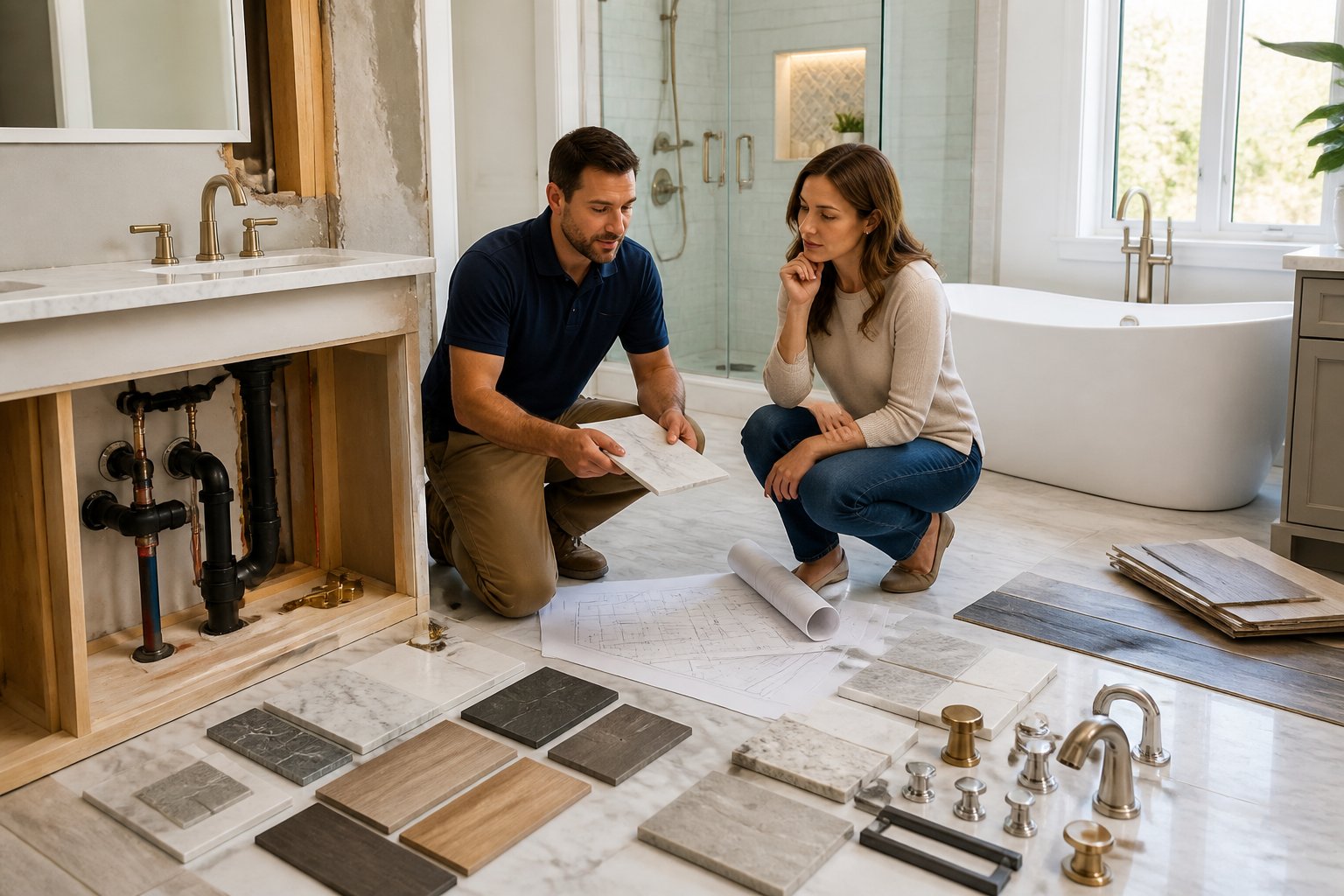
On average, a bathroom remodel costs $150 to $350 per square foot for standard materials and professional installation, and $400 to $700+ per square foot for luxury custom tile, high-end fixtures, and relocated plumbing lines. Because bathrooms require intensive plumbing, waterproofing, and electrical work within a tight footprint, they carry the highest cost per square foot of any room in the house.
Other cost differences come from:
Plumbing and electrical changes: Moving fixtures or adding circuits increases installation work.
Room condition: Water damage, mold, outdated wiring, or uneven floors can add repairs.
Permits and code requirements: Local fees and required upgrades vary by location.
Project complexity: Custom layouts and built-in features take more time to plan and install.
Location: Regional labor rates and material availability influence contractor pricing.
Contractor estimates may also differ because each one includes different allowances for demolition, disposal, preparation, materials, and contingency work. Ask each contractor for an itemized proposal so you can compare the same scope of work.
Ready to estimate your project?
See what your bathroom remodel could cost based on your ZIP code and project scope.
1. Local Labor: Why Your ZIP Code Matters
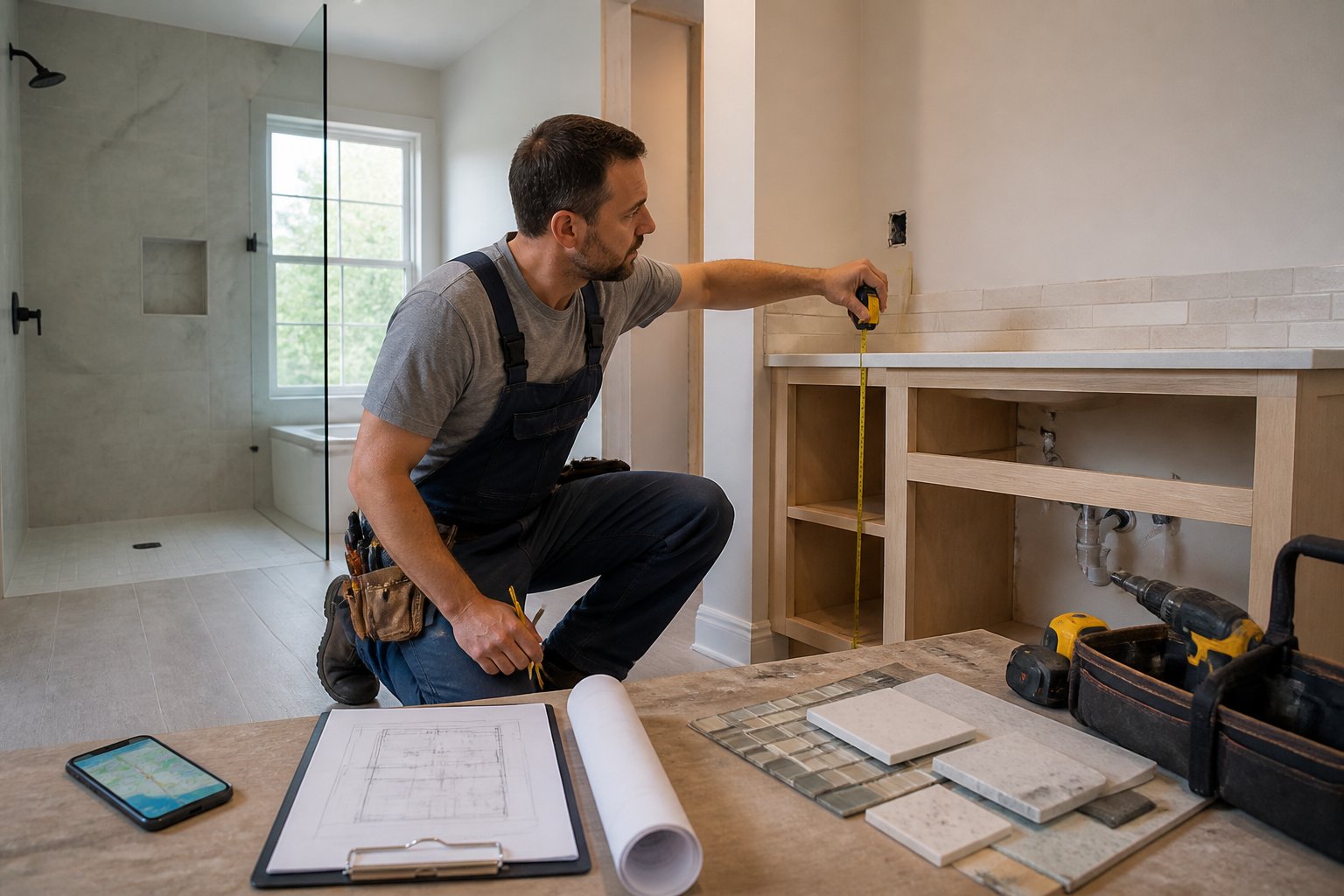
Your ZIP code affects bathroom remodeling costs because labor rates, permit fees, contractor demand, and travel expenses vary by market. Labor commonly represents 40%–65% of the project total, while material costs usually change less between regions.
A contractor in a high-cost metro area may charge more for demolition, plumbing, electrical work, waterproofing, and tile installation than one in a smaller market. Local pricing can also affect installation of fixtures such as toilets, bathtubs, shower pans, exhaust fans, grab bars, bathroom faucets, and low-flow toilets.
Project choice | Local labor impact |
|---|---|
Bathroom vanity or double vanity | Moderate installation cost |
Bathroom countertop or custom cabinetry | Higher fabrication and fitting costs |
Freestanding bathtub or freestanding tub | More plumbing and leveling work |
Shower replacement | Waterproofing and shower-pan labor can vary widely |
Laminate flooring | Lower installation complexity than tile |
Premium materials | Higher handling, cutting, and installation time |
Your finish selections still influence the budget. A standard vanity, basic cabinet hardware, and laminate flooring generally require less labor than custom cabinetry, premium materials, a bathroom countertop with complex edges, or a freestanding bathtub.
Ask local contractors to separate labor, materials, permits, and disposal fees in each estimate. Comparing itemized bids from professionals who regularly work in your area gives you a more useful range than relying on a national average.
Regional Cost Breakdowns: Real Market Examples
Labor rates, housing stock, and permitting can shift an identical scope by thousands of dollars from one metro to the next. See how the same mid-range remodel prices out in three very different markets: Salt Lake City, UT, where basement slab plumbing and Utah DOPL licensing rules drive scope; Raleigh, NC, where Triangle trade demand and Wake County permit fees set the floor; and Milwaukee, WI, where older housing stock and winter freeze protection add hidden line items.
2. Materials: Building the Cost From the Actual Scope
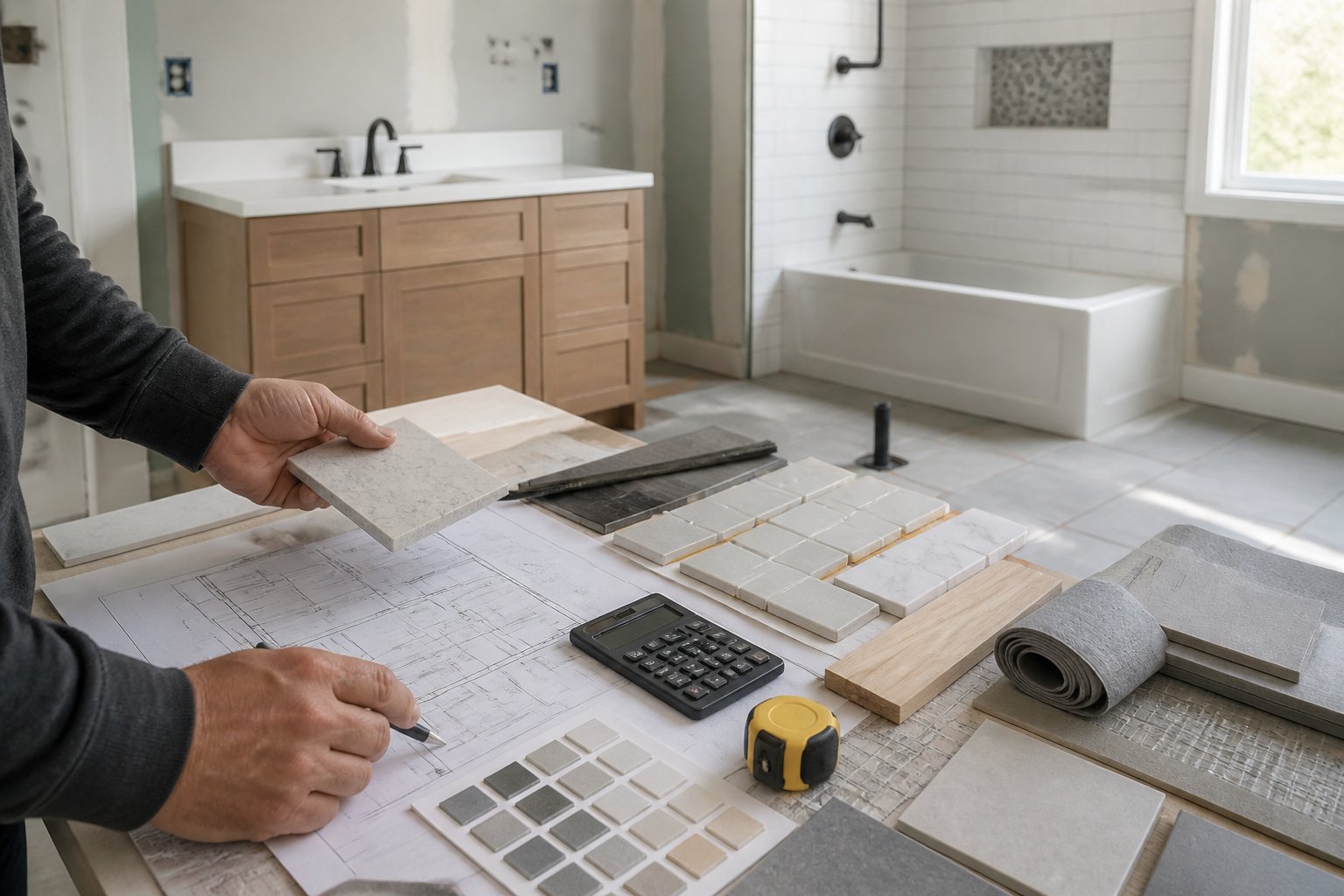
Your material budget depends on bathroom size, fixture count, and project scope. A powder room or small bathroom remodel usually needs less tile, flooring, cabinetry, and plumbing work than a full bathroom remodel. A primary bathroom remodel may require larger quantities, upgraded fixtures, a walk-in shower, or a roll-in shower with accessibility features.
Scope | Common material cost drivers |
|---|---|
Cosmetic update | Paint, hardware, lighting, vanity, toilet |
Mid-range bathroom remodel | New flooring, wall tile, vanity, fixtures, tub or shower |
Full renovation | Waterproofing, extensive tile, custom storage, plumbing, structural materials |
Your shower choice can change the budget significantly. A tub-to-shower conversion (see related articles here and here) require a new shower pan, glass enclosure, waterproof wall system, and updated drain or valve. A roll-in shower can add costs for specialized grading, grab bars, seating, and accessibility-compliant components.
Set aside funds for materials behind the finished surfaces. Water damage, mold and mildew, or deteriorated framing may require replacement before installation continues. Lead or asbestos in older homes can require testing, containment, and professional removal rather than standard demolition.
Permits and inspection fees also depend on your location and the work involved. Plumbing relocation, structural repairs, electrical changes, and building-code upgrades commonly require permits, so verify requirements before ordering materials or starting demolition.
3. Scope: What Are You Actually Remodeling?
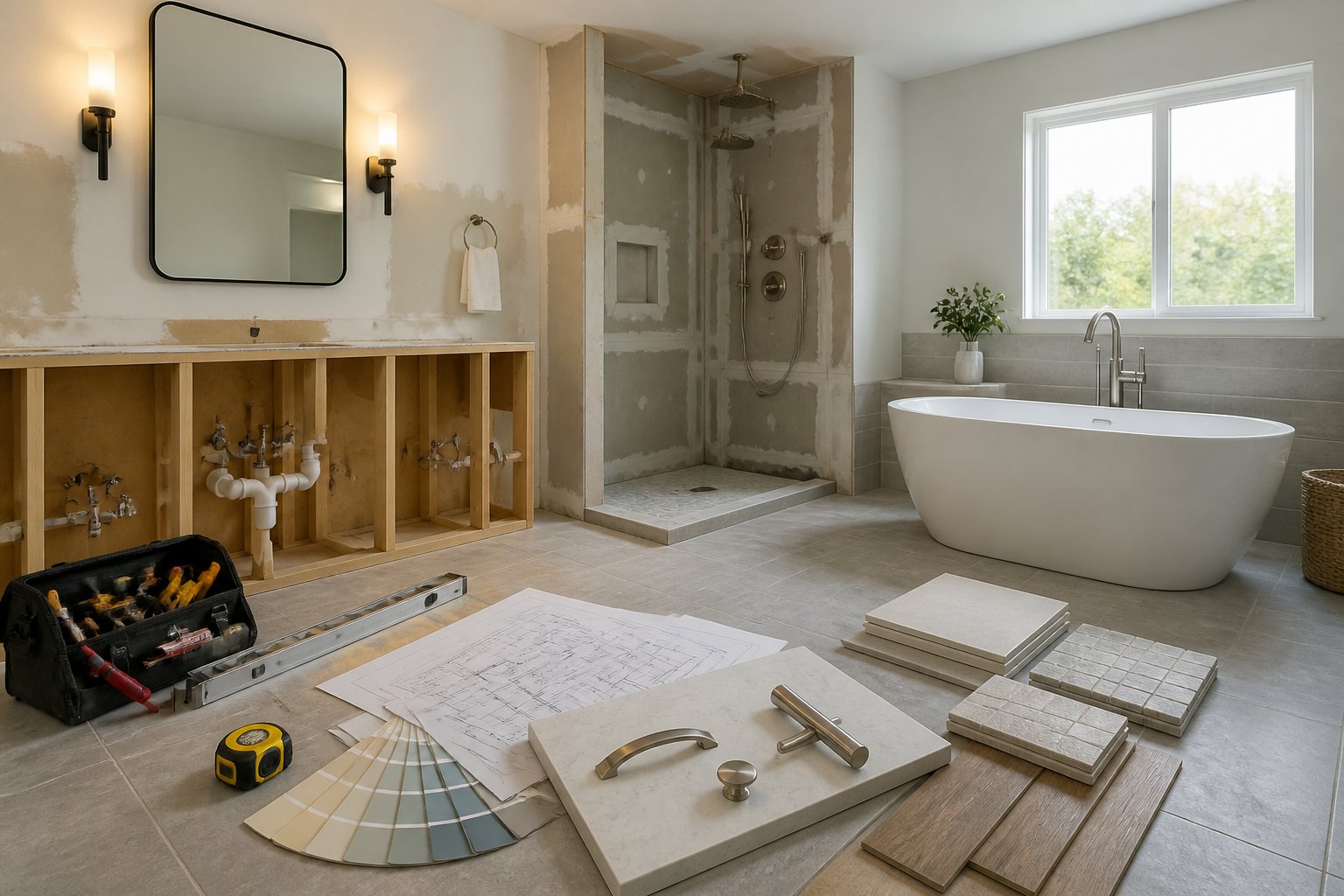
Your costs depend heavily on whether you are updating surfaces or rebuilding the room. Keeping plumbing in place usually limits labor, while moving fixtures, replacing electrical systems, or correcting water damage can increase the budget quickly.
Remodel Scope | Average 2026 Cost | Typical Timeline | Included Work |
|---|---|---|---|
Cosmetic Refresh | $4,500 – $12,000 | 1 – 2 weeks | Prefab vanity, faucet, toilet, fresh paint, lighting, hardware (layout untouched) |
Mid-Range Renovation | $14,000 – $32,000 | 3 – 5 weeks | Full demolition, tub/shower tile surround, new vanity/countertop, flooring, fixtures |
Primary / Master Suite | $35,000 – $70,000+ | 6 – 9 weeks | Custom walk-in shower, freestanding tub, double vanity, heated floors, layout changes |
4. Why Advistra Models Labor by Trade
Bathroom remodeling involves several specialized trades, and each one prices work differently. Advistra separates labor by trade so you can see how much you may spend on a plumber, electrician, carpenter, tile setter, or general contractor.
Trade | Common work |
|---|---|
Plumber | Plumbing work, fixture connections, supply lines, and drain changes |
Electrician | Electrical wiring, lighting, outlets, ventilation, and electrical systems |
Carpenter | Framing, blocking, drywall support, and layout changes |
Tile setter | Tile work, waterproofing preparation, floors, walls, and shower surfaces |
Installer or contractor | Vanity placement, shower installation, trim, coordination, and finishing |
This approach helps you connect labor costs to your project scope. Replacing a faucet may require limited plumbing labor, while relocating a toilet or shower can involve demolition, new supply lines, drain work, framing, and inspections.
Trade-based modeling also accounts for differences in time and skill. Electrical work may require fewer hours than tile work but involve code requirements, while shower installation often demands careful waterproofing and precise tile placement.
Your location, bathroom size, access conditions, permit requirements, and finish selections can change each trade’s rate. Advistra uses these factors to produce a more useful estimate than applying one labor percentage to the entire remodel.
5. DIY: How Doing the Work Yourself Changes the Estimate
A DIY bathroom remodel can reduce your estimate by removing labor charges, which often represent about 40% to 65% of a professional remodeling budget. You still pay for materials, permits, delivery, tool rentals, and any work you hire out.
Project scope | Typical DIY cost |
|---|---|
Cosmetic updates | $1,500–$5,000 |
Partial remodel | $3,000–$10,000 |
Full bathroom remodel | $6,000–$15,000+ |
These ranges assume a standard bathroom, mid-range materials, and no major structural changes. A small powder room may cost less, while plumbing relocation, electrical upgrades, waterproofing, or premium fixtures can raise the estimate substantially.
You can usually handle painting, demolition, hardware replacement, flat-pack vanity assembly, and some fixture installation if you have the necessary skills. Hire licensed professionals for work involving new wiring, gas lines, major plumbing changes, structural modifications, or tasks required by local building codes.
Budget for tools and mistakes. Add roughly 10% to 20% for extra materials, damaged items, permit fees, and unexpected repairs. DIY work also takes longer than professional remodeling, so include temporary bathroom arrangements and time away from other responsibilities in your planning.
6. Low, Expected and High: Why Advistra Doesn't Give You One Number
Bathroom remodeling costs vary because your project may involve different room sizes, materials, fixtures, labor rates, and structural changes. A cosmetic update costs far less than moving plumbing, replacing damaged subflooring, or rebuilding the room to the studs.
Advistra gives you three planning ranges instead of one fixed figure:
Estimate | What it helps you plan for |
|---|---|
Low | Limited updates, standard materials, and minimal labor |
Expected | Typical selections, normal installation work, and common repairs |
High | Premium materials, complex labor, plumbing changes, or hidden damage |
National 2026 estimates place many bathroom remodels between roughly $6,500 and $25,000, while extensive or luxury projects can exceed $40,000. Your location and contractor pricing can shift those figures significantly.
Your contingency fund protects the budget when the work reveals problems behind walls or beneath floors. Set aside about 10% to 20% of the expected project cost for unexpected repairs, permit changes, or necessary upgrades.
Use the low estimate to test affordability, the expected estimate to compare contractor quotes, and the high estimate to avoid committing to a plan your budget cannot support.
7. How Advistra Keeps Its Pricing Current
Advistra reviews bathroom remodeling prices regularly instead of relying on outdated averages. Your estimate reflects current material costs, local labor rates, project complexity, and the scope of work involved.
The pricing process considers major cost drivers, including:
Bathroom size and layout
Demolition and disposal
Plumbing or electrical changes
Tile, flooring, and waterproofing
Cabinets, countertops, and fixtures
Permit requirements
Finish quality and product availability
Advistra also compares supplier pricing and contractor labor trends. This helps account for changes in tile, fixtures, lumber, freight, and installation costs that can affect your budget during the planning stage.
Your estimate separates expected expenses from possible allowances or uncertain costs. If an older home may require plumbing repairs, structural work, or code updates, Advistra identifies those risks rather than presenting a misleading fixed figure.
Because remodeling prices vary by location and project conditions, you should treat online cost ranges as planning guides, not final quotes. Advistra updates your projected budget as you define the design, select products, and confirm the work required.
What Advistra's Estimate Does and Doesn't Tell You
Advistra’s estimate gives you a starting point for planning your bathroom remodel budget. It can help you compare potential project costs based on factors such as bathroom size, renovation scope, material quality, location, and labor requirements.
Use the estimate to set a preliminary budget, not as a guaranteed contractor quote. Actual pricing can change after a professional inspects the space and confirms the work involved.
The estimate can help you assess | The estimate may not include |
|---|---|
A likely cost range | Final contractor pricing |
The effect of project size and scope | Hidden damage behind walls |
Differences between basic and premium materials | Permit fees or inspection costs |
Whether your budget fits your plans | Unplanned plumbing or electrical work |
Your final cost may increase if you relocate plumbing, upgrade electrical systems, replace damaged subflooring, or choose custom fixtures and finishes. Labor rates and permit requirements also vary by location.
Ask contractors to provide written, itemized estimates that identify materials, labor, demolition, disposal, permits, and possible allowances. Comparing several detailed bids gives you a more reliable basis for deciding which options fit your budget.
What Makes Advistra Different From a Simple Bathroom Cost Calculator?
A simple bathroom cost calculator usually provides a broad estimate based on a few inputs, such as bathroom type, size, finish level, and location. Advistra goes further by helping you plan the project, compare contractor quotes, and organize important cost details in one place.
You can use Advistra to evaluate how choices affect your budget, including:
Project scope: cosmetic updates, partial renovation, or full remodel
Materials and fixtures: tile, vanity, toilet, shower, tub, and finishes
Labor and permits: expected installation work and local requirements
Contingency planning: funds reserved for unexpected repairs or changes
The tool can present low, mid-range, and high estimates instead of treating one figure as a guaranteed price. That range helps you compare your plans with contractor bids and identify areas that may need closer review.
Advistra also supports decision-making before construction begins. You can organize project information, compare quotes more consistently, and adjust your plans when the estimated cost exceeds your budget.
The estimate remains a planning tool, not a replacement for an on-site contractor assessment. Existing plumbing conditions, water damage, structural repairs, and local labor rates can change the final price.
Try the Advistra Bathroom Remodel Calculator
You can use MyAdvistra’s bathroom remodel calculator to create an initial budget based on your project’s size, scope, finish quality, and location. It helps you compare potential costs before requesting contractor estimates.
See our calculator here:
Advistra Bathroom Remodeling Calculator
Ready to estimate your project?
See what your bathroom remodel could cost based on your ZIP code and project scope.
Enter details such as:
Bathroom size and type
Cosmetic updates or full renovation
Fixture and finish quality
Tile, plumbing, and electrical work
Layout changes or fixture relocation
Local labor and permit costs
The calculator can show low-, mid-, and high-range estimates, helping you see how design choices affect your budget. A cosmetic update may cost less than a full renovation that involves demolition, new plumbing, custom tilework, or structural repairs.
Project scope | Costs commonly affected by |
|---|---|
Cosmetic refresh | Paint, hardware, lighting, and accessories |
Mid-range remodel | New fixtures, cabinets, tile, and labor |
Full renovation | Plumbing, electrical, permits, demolition, and repairs |
Use the estimate as a planning tool rather than a guaranteed quote. Add a contingency for hidden problems such as water damage, mold, outdated wiring, or damaged subflooring, then compare the calculator’s range with itemized bids from licensed contractors.
About Advistra’s Cost Model
Advistra’s cost model helps you estimate a bathroom remodel based on the project’s size, scope, materials, labor, and location. It separates routine renovation expenses from upgrades that can significantly increase the budget.
Cost factor | What it includes |
|---|---|
Project scope | Cosmetic updates, partial remodeling, or a complete renovation |
Bathroom size | Half-bath, standard full bath, or larger primary bathroom |
Materials and fixtures | Tile, vanities, countertops, toilets, tubs, showers, and faucets |
Labor | Demolition, installation, plumbing, electrical, and finishing work |
Layout changes | Moving plumbing, walls, doors, or major fixtures |
Permits and contingencies | Local approvals and allowances for hidden damage |
You can use the model to compare different renovation levels before requesting contractor estimates. A basic refresh may cost several thousand dollars, while a full remodel with premium finishes or relocated plumbing can reach $25,000 or more.
Advistra also accounts for common costs that homeowners may overlook, including demolition, disposal, waterproofing, ventilation, and repairs behind walls. Add a contingency of about 10% to 20% when your project involves older plumbing, water damage, or extensive demolition.
Frequently Asked Questions
What is the most expensive part of a bathroom remodel?
The most expensive part of a bathroom remodel is labor (plumbing, electrical, and tile installation), which accounts for 40% to 65% of the total budget. Among physical materials, the wet-area installation—specifically custom tilework, walk-in shower waterproofing systems, and frameless glass enclosures—is consistently the single largest line-item expense.
Can you remodel a bathroom for $10,000?
Yes, a $10,000 budget can completely refresh a small or standard hall bathroom if you keep the existing plumbing, electrical, and drainage layout. It typically covers a new stock vanity and countertop, upgraded faucet, modern toilet, waterproof luxury vinyl tile (LVT) flooring, new lighting, fresh moisture-resistant paint, and replacing fixture trim or reglazing an existing tub.
How much does it cost to move plumbing in a bathroom?
Moving plumbing fixtures (such as relocating a toilet, drain line, or shower valve) typically adds $1,500 to $4,500 to your project total. Costs depend on subfloor access (crawlspace vs. cutting a concrete slab), venting requirements, and distance from the main soil stack.
How long does an average bathroom remodel take?
A cosmetic bathroom refresh takes 1 to 2 weeks, a standard mid-range remodel takes 3 to 5 weeks, and an extensive primary bathroom or layout overhaul takes 6 to 9 weeks. Timelines depend on permit approvals, custom material delivery, and inspection scheduling.